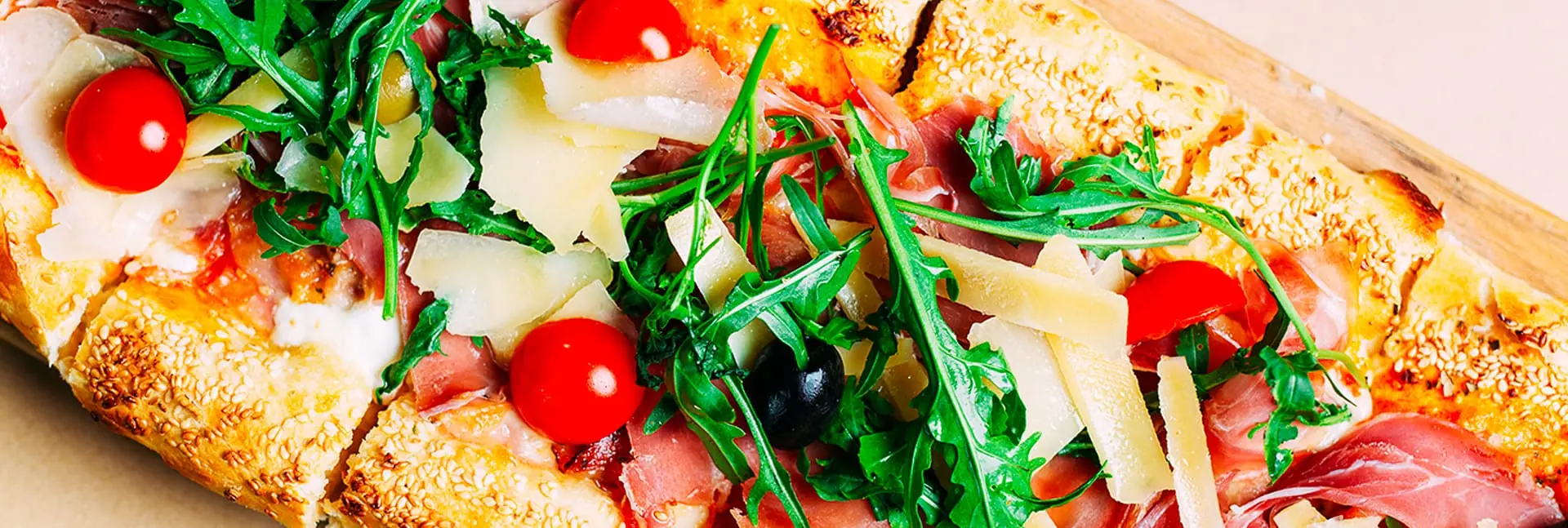
When we analyze the vast universe of pizza, a professional chef must distinguish between two primary dough classes.
The first class features traditional, immediate-service pizza. Pizzaiolos prepare this product directly in front of the customer. They subject the dough to a rapid, high-heat bake. Classic Italian pizza cooks for a few minutes at 330°C to 350°C. The traditional Neapolitan style needs blistering 450°C heat for mere seconds.
The second class operates on a completely different culinary philosophy. This category includes pan pizza, focaccia, and the highly technical Pizza alla Pala. Bakers meticulously engineer these products in a prep kitchen. Chefs par-bake the dough, build its structure, and finish it later. This pre-baking workflow optimizes high-volume pizzerias. It also creates a complex, highly structured, and chewable crumb.
Roman-style Pizza alla Pala stands out as the ultimate expression of crunch and lightness. You must shift your entire paradigm to master it. Transitioning from a soft Neapolitan base to a Roman Pala requires deep knowledge of dough rheology.
The Evolution of the Spianata
To understand Pala Romana mechanics, we must look at its history. The name alla Pala translates to “on the shovel.” This refers to the long wooden board. Historical Roman bakers used this paddle to transfer meter-long dough stretches. They placed the dough directly onto the hot refractory stone of their ovens.
Interestingly, the spianata (flattened dough) concept began in Naples. However, it found true refinement in bustling Roman bakeries (forni). Bakers used highly hydrated leftover bread dough to test oven temperatures. They did this before baking their daily loaves.
The kneading process shares traits with pan pizza. Yet, the baking execution differs greatly. You bake pan pizza inside a metal tin. The oil fries the bottom. Conversely, you bake Pizza alla Pala directly on the oven floor. The hot stone quickly evaporates base moisture. This action seals in the signature crunch. Meanwhile, the interior stays spectacularly airy.
Flour Rheology and Blending Techniques
You need strict flour chemistry knowledge to create an open-crumbed (alveolata) Pizza alla Pala. You should always avoid artificial dough improvers.
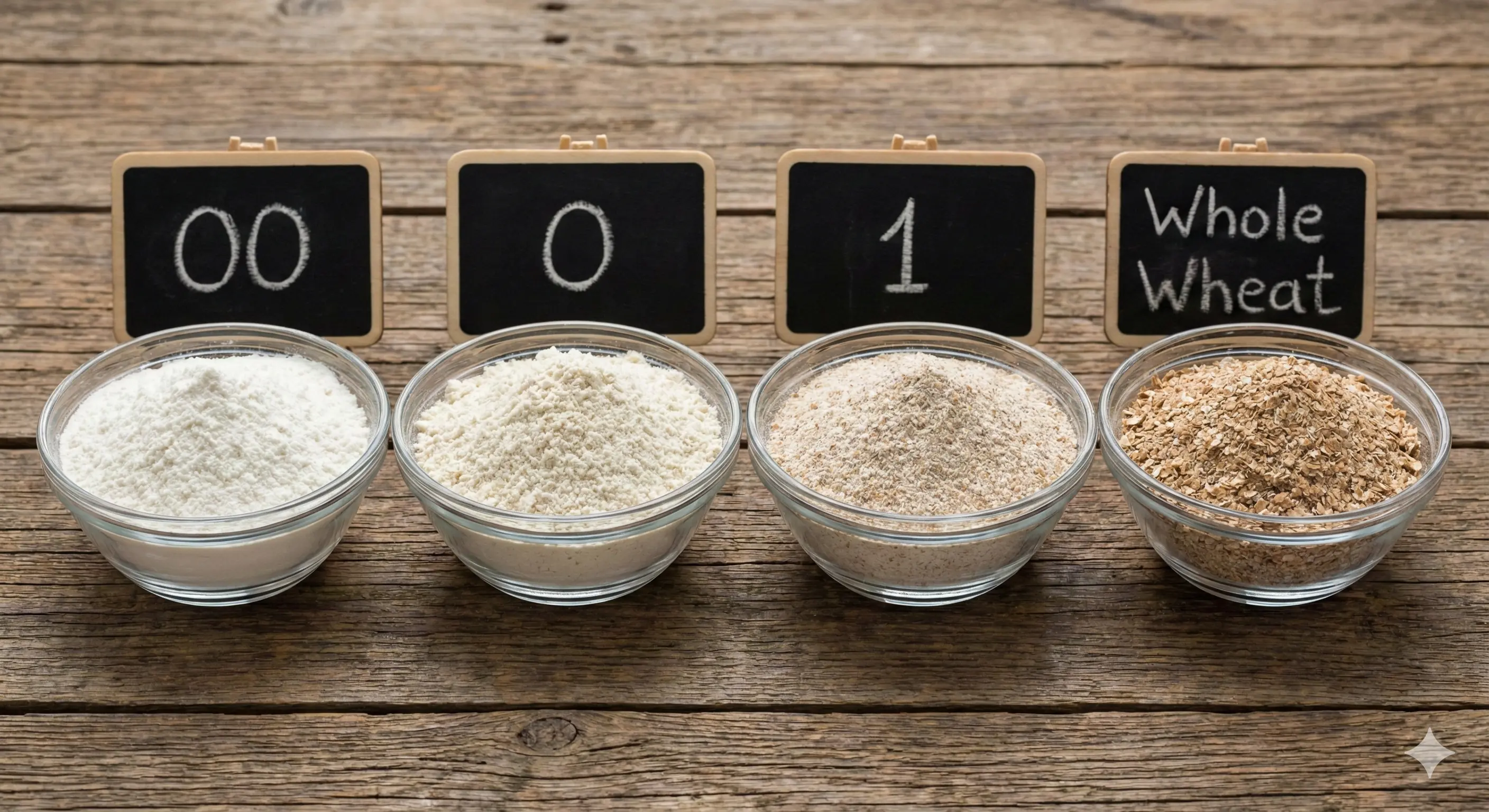
This dough demands extreme hydration. It usually ranges from 80% to 90% water. You must select the right flour to hold this water volume. You absolutely need a strong “00” wheat flour. Look for a W-index of W300-W340. The protein content should hit 13-14.5%. High glutenin and gliadin levels provide essential elasticity. This strength traps massive carbon dioxide volumes during slow fermentation.
Masterful chefs now use flour blends to elevate the bite. You can incorporate alternative flours for specific results.
- Durum Wheat & Wholemeal: These flours boost rustic flavor and aroma.
- Soy Flour: This adds protein. It helps achieve a golden-brown Maillard reaction.
- Rice Flour: Add this in tiny, precise amounts. It acts as a textural enhancer. It disrupts the gluten network slightly. This amplifies crust crispness without ruining the interior structure.
Pre-Ferments: Biga and Poolish
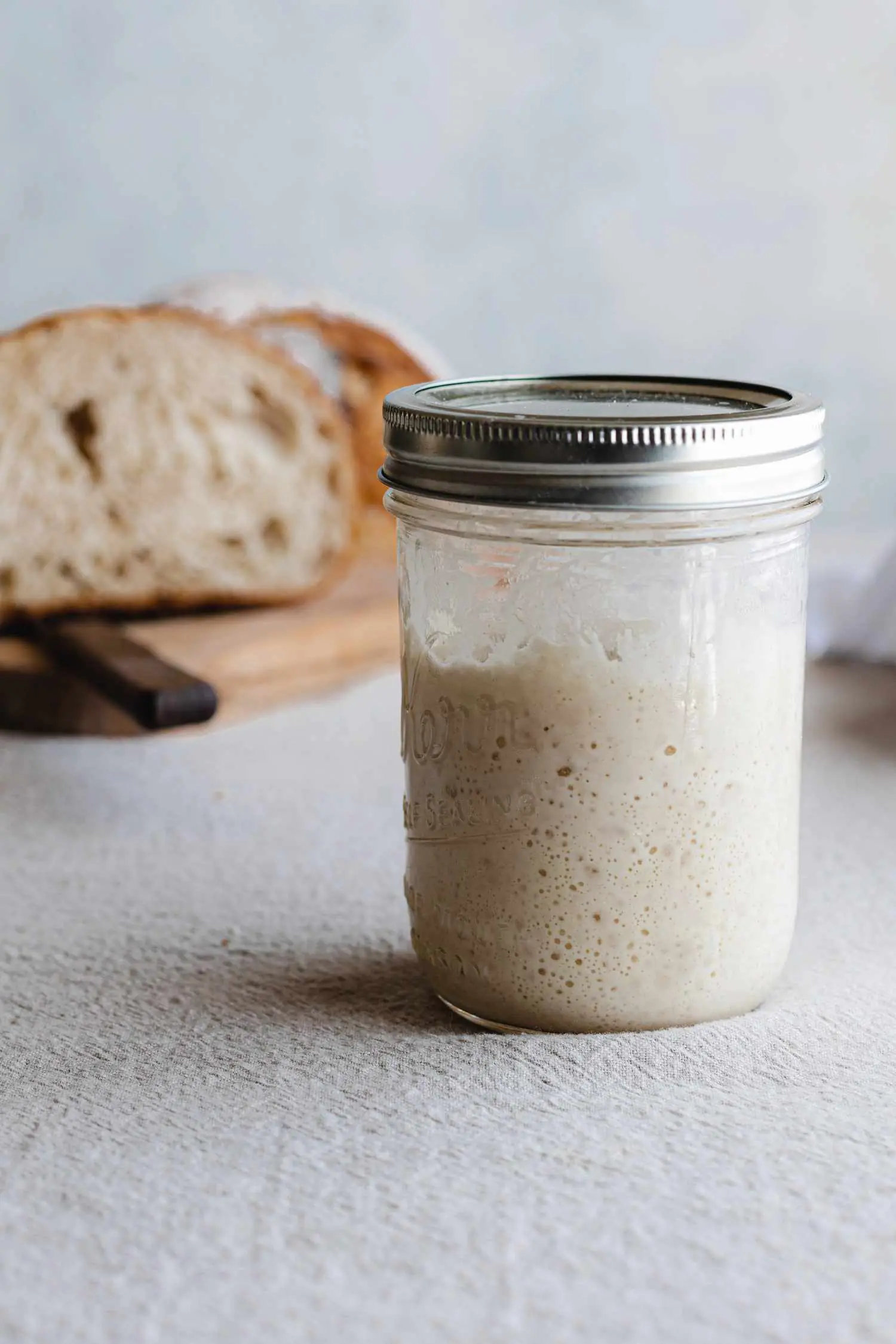
You can use direct dough methods. However, a true masterpiece requires an indirect approach. Pre-ferments build organic acids. These acids strengthen the gluten and extend product shelf-life.
- The Biga Method: You mix a stiff pre-ferment. It contains flour, water (44-50% hydration), and minimal yeast. You ferment it at 18°C for 18 to 20 hours. Biga creates high lactic and acetic acid levels. This provides a rustic flavor. It also builds a highly resilient gluten matrix.
- The Poolish Method: You mix a liquid pre-dough at 100% hydration. You let it ferment for 15 to 16 hours. Poolish delivers superior extensibility. It creates a sweeter, delicate aromatic profile.
The 60% Hydration Rule and Bassinage
Kneading an 85% hydration dough requires mechanical precision. You must follow strict mixing phases.
The cardinal rule demands starting with exactly 60% of your total water. You combine the flour, yeast, and this initial cold water. Adding all the water at once ruins the dough. It drowns the proteins and prevents gluten formation.
You mix until the dough forms a tight “pumpkin” shape. It must pull cleanly from the bowl. Next, you add the salt. Finally, you begin the bassinage process. You slowly trickle in the remaining cold water. The strong gluten matrix absorbs the moisture safely. Monitor your temperature closely. The final dough must finish between 23°C and 25°C.
Stesura: The Master’s Signature
The stesura (stretching) applies the master’s final signature. You must handle the delicate dough with extreme physical focus.
First, lay the dough on a generous bed of re-milled semolina (semola rimacinata). Press it using only your finger pads. Never use a violent slap or aggressive push. Instead, carefully calculate your gas redistribution. Pressing the “right points” seals the edges. It pushes air bubbles evenly through the dough structure. This careful technique dictates the final oven swell.
Baking Thermodynamics
Pizza alla Pala cannot survive a flash-heat Neapolitan oven. The elongated shape and high water content require lower temperatures. You need a longer bake to evaporate the internal moisture properly.
Bake the pizza in an electric deck oven. Set the heat between 280°C and 300°C (535°F – 570°F). Bake the product for 7 to 10 minutes.
Professional pizzerias often use the “double-bake” method. First, you par-bake the base with light olive oil. Next, you cool it on a raised rack. This cooling phase lets the steam escape. During service, you add gourmet toppings and flash the pizza in the oven.
This approach yields a spectacular, crispy pizza. It supports heavy, scenic toppings beautifully. You can serve it directly on wooden cutting boards. It acts as a highly profitable canvas for modern culinary art.
Elevate Your Craft: Masterclasses & Consultancy
You need hands-on discipline to master 90% hydration doughs. Reading a recipe is simply not enough. You require precise technique and professional guidance.
I invite culinary professionals and restaurateurs to train with me. Join my Professional Masterclasses and Culinary Consultancy. We explore exact dough mechanics and high-volume workflow optimizations. I will teach you how to run a world-class operation.
Programs Available:
- Contemporary Neapolitan Pizza: Master the high-hydration “canotto” style.
- Pizza alla Pala Romana: Perfect the crunch and biga chemistry.
- Pizza in Teglia (Roman Pan Pizza): Craft the ultimate airy slice.
- Comprehensive Italian Cuisine: Learn authentic regional gastronomy.
Contact me directly through Pizzaiolo.in to enroll. Let’s build your culinary masterpiece together.